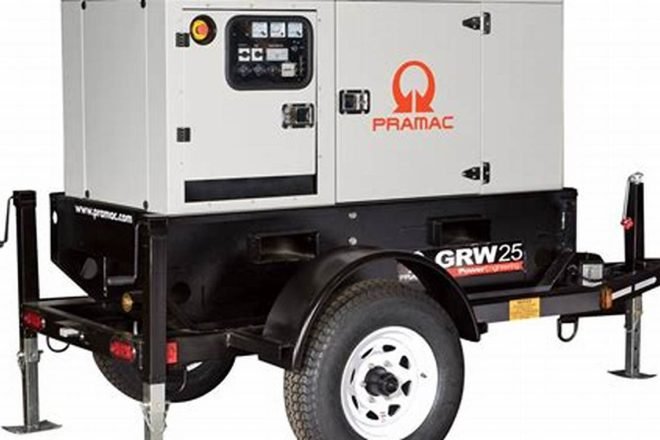
When the lights go out, a portable generator can feel like a lifeline, rescuing you from spoiled food, frozen pipes, and disconnected solitude. It brings power, comfort, and a semblance of normalcy back into your home environment. But that powerful hum comes with a serious responsibility: understanding and meticulously following the Safety Guidelines for Portable Generators in a Home Environment isn't just a suggestion—it's paramount for the safety of your family, your property, and even utility workers.
Using a portable generator incorrectly can quickly turn a blackout solution into a hazardous situation, with silent killers and electrical dangers lurking. This guide is designed to empower you with the knowledge to operate your generator confidently and safely, ensuring that when the grid falters, your peace of mind doesn't.
At a Glance: Generator Safety Essentials
- Always OUTSIDE: Never run a generator indoors, in a garage, or near windows/doors. Carbon monoxide is deadly.
- CO Detectors: Install and test carbon monoxide detectors in your home.
- Refuel Safely: Shut down and cool the generator completely before adding fuel.
- Approved Storage: Store gasoline in approved, labeled containers away from living areas and heat sources.
- Electrical Integrity: Use heavy-duty, outdoor-rated extension cords. Keep cords and generator dry.
- NO Backfeeding: Never plug a generator directly into a wall outlet or your home's main electrical panel without a professional transfer switch.
- Read the Manual: Your generator's owner's manual contains vital, model-specific safety information.
- Keep Clear: Maintain safe distances from hot components, and keep children and pets away.
The Unseen Threat: Carbon Monoxide (CO) — Your #1 Concern
Portable generators burn fuel, and that combustion produces exhaust. Just like your car's exhaust, generator exhaust contains carbon monoxide (CO)—a colorless, odorless, tasteless gas that can be lethal. It's the silent killer of generator operation, and sadly, it's responsible for the vast majority of generator-related fatalities.
Why CO is So Dangerous
The insidious nature of carbon monoxide lies in its stealth. You won't see it, smell it, or taste it. It displaces oxygen in your blood, literally suffocating your body's cells, including your brain and heart. Initial symptoms—headache, dizziness, nausea, fatigue—are often mistaken for the flu or general exhaustion, especially during a stressful power outage. If you experience these symptoms while a generator is running, even outdoors, get to fresh air immediately and seek medical attention.
Strict Rules for Placement: Outside, Always!
This cannot be stressed enough: Portable generators MUST be operated outdoors. And "outdoors" doesn't mean just outside the garage door or under an open window. Exhaust fumes can travel and accumulate, even in seemingly well-ventilated spaces.
- Minimum Distance: Place your generator at least 20 feet (preferably more) away from your home, and any adjacent buildings.
- Exhaust Direction: Ensure the exhaust is directed away from windows, doors, and vents that could allow fumes to re-enter your house or a neighbor's. Wind can shift, so always consider prevailing directions.
- Clearance: Keep ample clear space around the generator to allow for proper airflow and prevent overheating.
- Protection from Elements: While it needs to be outdoors, it also needs protection from rain and snow. Use a generator cover or a specifically designed open-sided, canopy-like structure that allows for maximum airflow and exhaust dispersion, never an enclosed space.
Your Essential Safeguard: Carbon Monoxide Detectors
Think of CO detectors as your early warning system. They are non-negotiable for any home utilizing a portable generator.
- Strategic Placement: Install battery-operated or battery-backup CO detectors on every level of your home, especially near sleeping areas.
- Regular Testing: Test your CO detectors monthly and replace batteries annually, or as recommended by the manufacturer.
- Know the Alarm: Understand what your CO detector's alarm sounds like and what to do if it goes off (evacuate immediately, call 911 or your local fire department).
Fueling Your Lifeline: Handling Gasoline Safely
Most portable generators run on gasoline, a highly volatile and flammable fuel. Handling it requires extreme caution to prevent fires and explosions.
The Dangers of Fuel Vapors
Gasoline vapors are heavier than air and can travel along the ground to ignition sources like pilot lights, water heaters, or even electrical sparks, leading to flashbacks and fires. Just a small spark can ignite a plume of vapor, resulting in a dangerous explosion.
Refuel Only When Shut Down and Cooled
This is a critical step often overlooked in the urgency of a power outage.
- Power Down Completely: Turn off the generator and allow it to cool down for at least 15-20 minutes before attempting to refuel. A hot engine, muffler, or exhaust can easily ignite spilled gasoline.
- Avoid Overfilling: Never fill the fuel tank to the very top. Gasoline expands with heat, and overfilling can lead to spills, especially on a hot engine, creating an immediate fire hazard. Leave a little room for expansion.
- Clear the Area: Refuel in a well-ventilated area, away from any ignition sources, and on a flat, stable surface to prevent spills.
- Use a Funnel: A funnel can help minimize spills and ensure fuel goes directly into the tank, not onto the generator's hot components.
Secure Storage for Gasoline
Proper fuel storage is just as important as safe refueling.
- Approved Containers: Use only approved, clearly labeled plastic or metal containers designed for gasoline storage. These are typically red and feature a flame arrestor.
- Cool, Dry, Ventilated: Store fuel containers in a cool, dry, well-ventilated outdoor location, away from living spaces, furnaces, water heaters, pilot lights, direct sunlight, or any potential ignition sources. A detached shed is ideal.
- Away from the Generator: Never store gasoline near the generator itself.
- Stabilize Fuel: Gasoline can degrade over time, especially with ethanol blends, leading to starting problems and damage. Use a fuel stabilizer to extend its shelf life, particularly if you're not cycling through your fuel supply regularly. Rotate your fuel supply every 6-12 months.
Navigating the Current: Electrical Safety Essentials
Connecting your generator to your home requires careful consideration to prevent electric shock, damage to your electrical system, and even harm to utility workers.
Choosing the Right Connection: Cords and Their Care
Your generator's power needs to travel to your appliances, and that journey starts with the right cords. Using inadequate or damaged cords is a recipe for disaster.
- Heavy-Duty and Outdoor Rated: Always use heavy-duty, outdoor-rated extension cords that are specifically designed for the load you'll be placing on them. Look for cords marked "outdoor use" and ensure they have a sufficient gauge (thickness) for the distance and power draw. Thinner cords (higher gauge number) can overheat and cause fires.
- Cord Length: Use the shortest possible cord length to minimize voltage drop and reduce the risk of damage. However, ensure the cord is long enough to place the generator safely away from your home.
- Inspection is Key: Before each use, inspect all cords for cuts, fraying, or damaged insulation. Never use a compromised cord.
- Avoid Overloading: Do not daisy-chain extension cords. Plug appliances directly into the generator or into a properly rated power strip that’s connected to the generator via a single heavy-duty cord. Understand your generator’s wattage capacity and don’t exceed it.
- For more detailed guidance on picking the right power cords for your generator setup, consult specialized resources.
Water and Wiring: A Dangerous Mix
Electricity and water are a deadly combination. Operating a generator in wet conditions significantly increases the risk of electric shock and electrocution.
- Stay Dry: Never operate a portable generator in the rain, snow, or on wet ground.
- Protect Connections: Ensure all electrical connections, including extension cord ends and outlets, are dry and protected from moisture.
- Elevated Placement: If possible, place the generator on a dry, elevated surface, like a wooden pallet, to keep it away from ground moisture. Remember, this doesn't exempt it from needing to be outdoors.
The Deadly Shortcut: Avoiding Backfeeding
This is perhaps the most dangerous electrical mistake you can make with a portable generator. Backfeeding means plugging your generator directly into a wall outlet in your home, intending to power your house's internal wiring.
- The Shocking Truth for Utility Workers: When the utility power eventually comes back on, electricity from your generator can travel back through the grid lines. This sends power from your generator onto the utility poles, where unsuspecting line workers, who believe the lines are dead, could be seriously injured or killed by electrocution. It’s illegal and incredibly reckless.
- Damage to Your Home: Backfeeding can also cause severe damage to your home's electrical system and appliances, potentially creating a fire hazard. It bypasses essential safety mechanisms.
- The Only Safe Solution: A Transfer Switch: The only safe and legal way to connect a portable generator to your home's electrical system is through a properly installed manual transfer switch. A qualified, licensed electrician must install this device. A transfer switch isolates your home's electrical system from the utility grid during generator operation, preventing backfeeding. It also allows you to power specific circuits in your home directly from the generator. Learn more about the intricacies of transfer switch installation to ensure your system is up to code and safe.
Beyond the Basics: Operational & Maintenance Best Practices
Safe generator operation extends beyond CO and electrical concerns. Regular care and adherence to operational guidelines ensure longevity and reliable, safe performance.
Your Generator's First Rule: Read the Manual
This might sound obvious, but it's astonishing how often owner's manuals go unread. Every generator model has unique features, operating instructions, and safety warnings. Your manual is the definitive guide for your specific unit.
- Model-Specific Information: It contains crucial details on starting procedures, maintenance schedules, specific fuel types, and safety clearances that may differ from general advice.
- Troubleshooting: It's your first resource for diagnosing minor issues safely.
Heat Hazards: Cool Down Before Touchdown
Generators produce a significant amount of heat during operation. The engine, muffler, and exhaust components become extremely hot and can cause severe burns on contact.
- Avoid Contact: Never touch these hot parts during or immediately after operation.
- Allow Cooling: Give the generator ample time to cool down completely before moving it, performing maintenance, or storing it.
Preventing Surprises: Storage & Spark Plug Safety
When your generator isn't in use, proper storage prevents accidental starts and maintains its condition.
- Disconnect the Spark Plug Wire: Before storing, especially for extended periods, disconnect the spark plug wire to prevent accidental starting. This is a crucial safety measure for anyone working on or near the generator.
- Fuel Stabilization for Storage: As mentioned, use a fuel stabilizer or run the carburetor dry if storing for more than a month to prevent fuel degradation and gumming up the fuel system.
- Cleanliness: Clean the generator thoroughly before storage, removing any dirt, debris, or fuel spills.
- Cover It: Use a protective cover to shield the generator from dust, moisture, and pests during storage.
- For more in-depth advice on regular generator maintenance to keep your unit running safely and efficiently, consult your owner's manual and expert guides.
Children and Pets: Keep Them Clear
Generators are noisy, hot, and operate with moving parts. They are not toys.
- Safe Distance: Establish a clear "no-go" zone around the generator and ensure children and pets are never allowed near it during operation or cooling down.
- Supervision: Always supervise children and pets when a generator is in use.
Inspection & Professional Care
Regular inspection and timely maintenance are vital for safe operation.
- Pre-Use Checks: Before each use, check the oil level, fuel level, and inspect for any visible damage, loose connections, or leaks.
- Authorized Dealers: For repairs or replacement parts, always use authorized dealers or qualified service technicians. Using incorrect parts or improper repairs can compromise safety and performance.
Common Misconceptions & Quick Fixes
Let's debunk some dangerous myths and clarify crucial points.
- "Just open a window for CO." Absolutely not. Opening a window or door does not provide adequate ventilation to prevent CO buildup in an enclosed or semi-enclosed space. The generator must be completely outdoors, far from any openings.
- "Any extension cord will do." False. Using light-duty cords for heavy-duty generator output can lead to overheating, melted insulation, electrical fires, and appliance damage. Always match the cord's gauge and rating to the load.
- "Only professionals need transfer switches." Incorrect. Anyone connecting a portable generator to their home's electrical panel must use a professionally installed transfer switch. This isn't a "pro" versus "DIY" rule; it's a fundamental electrical safety requirement. Without it, you risk your life, your home, and the lives of utility workers.
Equipping Your Home: What You Need
Being prepared means having the right safety equipment on hand before an outage strikes.
- Carbon Monoxide Detectors: Ensure you have multiple, functional CO detectors strategically placed throughout your home.
- Approved Fuel Containers: Invest in at least two or three properly rated gasoline containers.
- Heavy-Duty Extension Cords: Purchase high-quality, outdoor-rated extension cords of various lengths and appropriate gauges for your generator's output and the appliances you plan to power.
- Generator Cover/Shelter: A weather-resistant cover or a dedicated open-sided shelter for outdoor operation.
- Fuel Stabilizer: Keep a bottle on hand to treat your stored gasoline.
- Fire Extinguisher: A readily accessible ABC-rated fire extinguisher can be critical in case of a fuel-related incident.
- Transfer Switch: If you plan to power your home's hard-wired circuits, budget for the professional installation of a manual transfer switch. This is an investment in safety and convenience.
The Bigger Picture: Choosing Your Backup Power Solution
While this guide focuses on the safe use of portable generators, it's worth noting that the market offers a range of backup power solutions. Understanding the different types can help you make an informed decision about what best suits your home's needs and safety considerations. For a deeper dive into selecting the right backup power for your home, you might want to explore different portable generators for home and their specific features.
From smaller recreational models to larger units capable of powering essential home circuits via a transfer switch, each type comes with its own set of operational requirements and safety protocols.
Empowering Your Peace of Mind: A Safety Checklist
Power outages can be stressful, but preparing with safety in mind can alleviate much of that worry. Use this checklist as a quick reference every time you prepare to use your portable generator:
- Location, Location, Location: Is the generator outdoors, at least 20 feet from your home, with exhaust directed away from all openings?
- CO Detectors: Are your CO detectors working and properly placed?
- Fuel Check: Is the fuel level sufficient? Is the generator completely off and cooled before refueling? Are you using approved fuel and storage containers?
- Electrical Connections: Are all cords heavy-duty, outdoor-rated, undamaged, and correctly sized? Is everything dry?
- Backfeeding Prevention: If connecting to your home, is a professional transfer switch in use? (Never backfeed!)
- Clearance: Is the area around the generator clear of clutter, children, and pets?
- Manual Review: Have you consulted your owner's manual for specific instructions?
- Emergency Ready: Do you have a fire extinguisher nearby? Do you know CO poisoning symptoms?
Portable generators are incredibly valuable tools, offering light and comfort when the world goes dark. By understanding and rigorously following these safety guidelines, you transform a potential hazard into a reliable, safe source of power, ensuring peace of mind for you and your loved ones. Stay vigilant, stay safe, and enjoy the comfort your generator can bring.