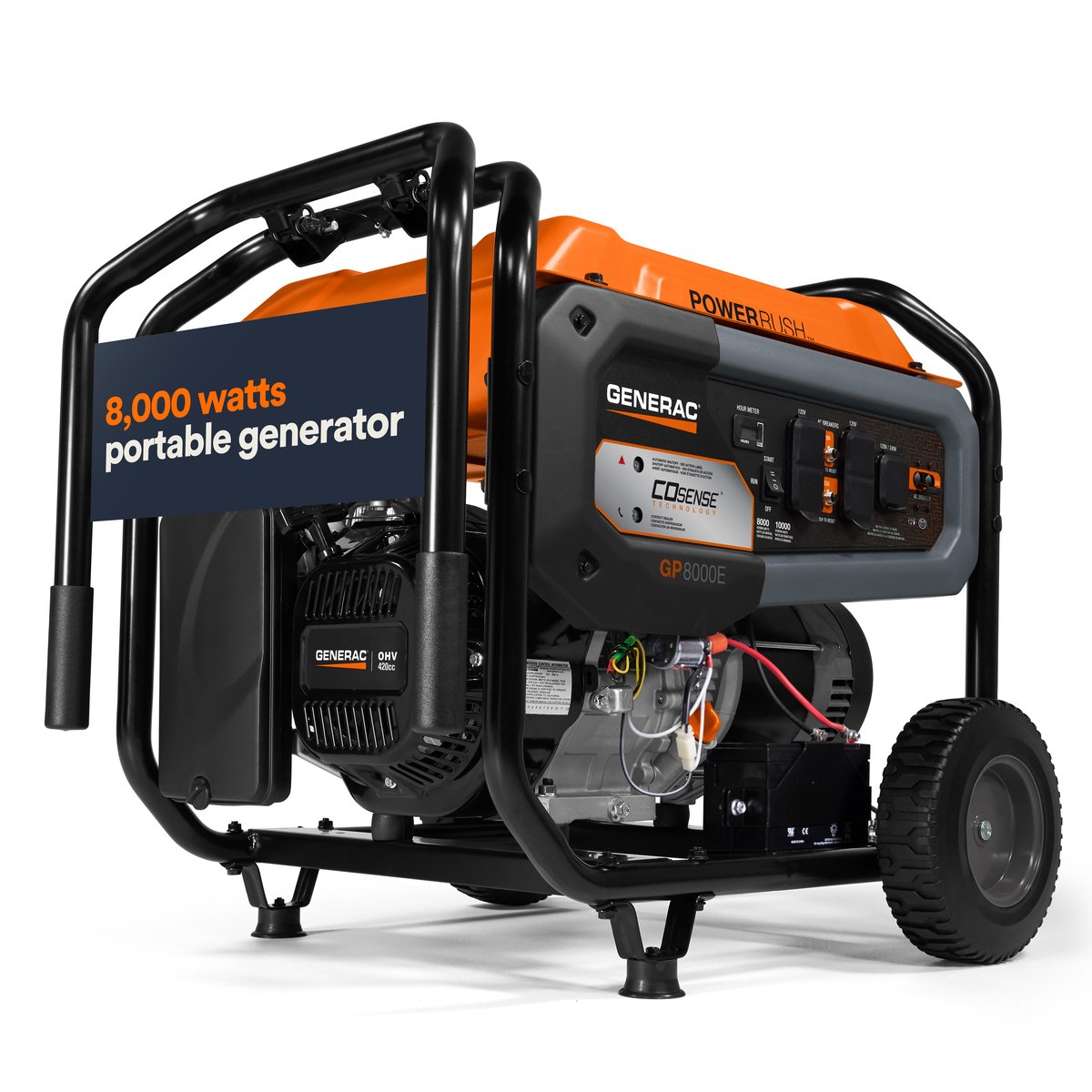
Imagine a quiet evening at home, perhaps a family dinner or a movie night. Suddenly, the lights flicker and die, plunging your home into darkness. A power outage, whether caused by a severe storm, an aging grid, or an unforeseen accident, can disrupt everything from keeping food fresh to maintaining essential medical equipment. For many homeowners, a portable generator isn't just a convenience; it's a vital piece of preparedness that delivers peace of mind when the grid falters.
These robust, temporary power systems, often fueled by gasoline, propane, or natural gas, act as your home's lifeline during an outage. They can power critical circuits—think refrigerators, sump pumps, HVAC blowers, lights, and Wi-Fi—ensuring that daily life can continue with minimal disruption. But choosing, operating, and maintaining one safely is crucial. This flagship guide will illuminate every facet of portable generators for home backup, connecting you to deeper insights in our dedicated pillar articles.
Finding Your Power Match: Sizing and Fueling Your Home Backup
The first step in securing your home against power interruptions is understanding what you need to power. Portable generators come in a wide range of wattages, often categorized by "running watts" (continuous power) and "starting watts" (the brief surge needed to kick-start appliances like refrigerators or air conditioners). For essential items like a fridge, a few lights, and Wi-Fi, 5,000–7,000 watts might suffice. However, if you're aiming to cover central AC, electric stoves, or most of your home, you'll likely need 10,000+ watts. It’s always wise to inventory your devices and add a 20% buffer.
Beyond wattage, fuel type plays a significant role in your generator's performance and convenience. Gasoline is readily available but degrades over time and can be scarce during widespread emergencies. Propane offers longer shelf life and cleaner burning, though with a slight reduction in power output. Natural gas, if you have a direct line, provides an endless supply and clean operation but sacrifices portability. Many modern generators offer dual-fuel or even tri-fuel capabilities, providing much-needed flexibility. To dive deeper into these critical considerations and make an informed decision for your household, refer to our comprehensive guide on Choosing the Right Portable Generator.
Bringing Power Home: Safe Setup and Connection
Once you've selected your ideal portable generator, the next crucial step is safely integrating it with your home's electrical system. The most important rule to remember is never to backfeed power into the utility grid. This is not only illegal but extremely dangerous for utility workers who may be trying to restore power. The essential solution for safely connecting your generator to multiple home circuits is a transfer switch. This device safely isolates your home from the utility grid before allowing generator power to flow, ensuring no accidental backfeeding occurs.
While many smaller generators can simply power appliances directly via extension cords, connecting to your home's main panel for broader coverage absolutely requires a transfer switch. Grounding requirements can vary, so always consult your operator manual and a licensed electrician, especially when integrating with your home's wiring. Our dedicated guide provides step-by-step instructions and vital considerations for a secure and compliant setup. Learn more about the specifics of a Portable generator setup guide Connect your generator effectively.
Beyond Basic Power: Understanding Modern Generator Features
Today's portable generators are far more sophisticated than their predecessors, boasting features that enhance safety, efficiency, and ease of use. Inverter technology, for example, generates "clean power" with minimal harmonic distortion, making it safe for sensitive electronics like laptops, smartphones, and smart TVs. This is a game-changer if your primary concern is powering your home office or entertainment systems during an outage.
Many models now include crucial safety innovations like Carbon Monoxide (CO) sensors that automatically shut down the generator if CO levels become unsafe, significantly reducing the risk of poisoning. Other conveniences include electric start, remote start fobs, eco-mode for fuel efficiency, and digital displays providing real-time information on fuel levels, voltage, and runtime. Some cutting-edge solutions, like integrated smart energy systems, even offer seamless transitions and app-based control. To fully appreciate the innovations that can make your backup power experience smoother and safer, be sure to Explore advanced generator features.
Protecting Your Household: Non-Negotiable Safety Practices
Safety is paramount when operating a portable generator. The invisible, odorless, and deadly threat of carbon monoxide (CO) poisoning is the single most critical hazard. Never, under any circumstances, operate a generator indoors, including garages, sheds, or basements. Always place your generator outdoors, at least 20 feet away from your home, with the exhaust directed away from windows and doors. Using CO detectors inside your home is an absolute must.
Beyond CO, safe refueling practices are vital—always allow the generator to cool down before adding fuel to prevent fires. Store fuel in approved containers, away from the generator and any heat sources. Ensure all extension cords are heavy-duty, rated for outdoor use, and in excellent condition. Proper grounding and avoiding direct connection to your home's electrical panel without a transfer switch are also non-negotiable. For a detailed checklist and essential guidelines to keep your family safe, consult our comprehensive Portable generator safety tips.
Maximizing Your Investment: Care and Longevity
A portable generator is a significant investment in your home's resilience. Like any engine-driven equipment, it requires regular maintenance to ensure reliable operation and a long lifespan. Routine checks such as changing the oil, inspecting and replacing air filters, and checking spark plugs are essential. Always refer to your owner's manual for specific maintenance schedules and procedures.
Fuel management is another critical aspect. If using gasoline, using a fuel stabilizer can prevent it from degrading and clogging the carburetor during storage. Running the generator periodically, even when there's no outage, helps keep components lubricated and ensures it's ready when you need it most. Proper storage in a dry, protected area will also safeguard your unit from the elements. By committing to these simple yet crucial steps, you can significantly extend the life and dependability of your equipment. For all the tips and tricks to keep your unit running smoothly for years to come, read our guide on Maintenance and Longevity of Portable generators.
Being prepared for a power outage means more than just owning a generator; it means understanding its capabilities, operating it safely, and keeping it in prime condition. By exploring the resources within this hub, you'll gain the knowledge and confidence to make informed decisions, ensuring your home remains a haven of comfort and functionality, even when the lights go out.