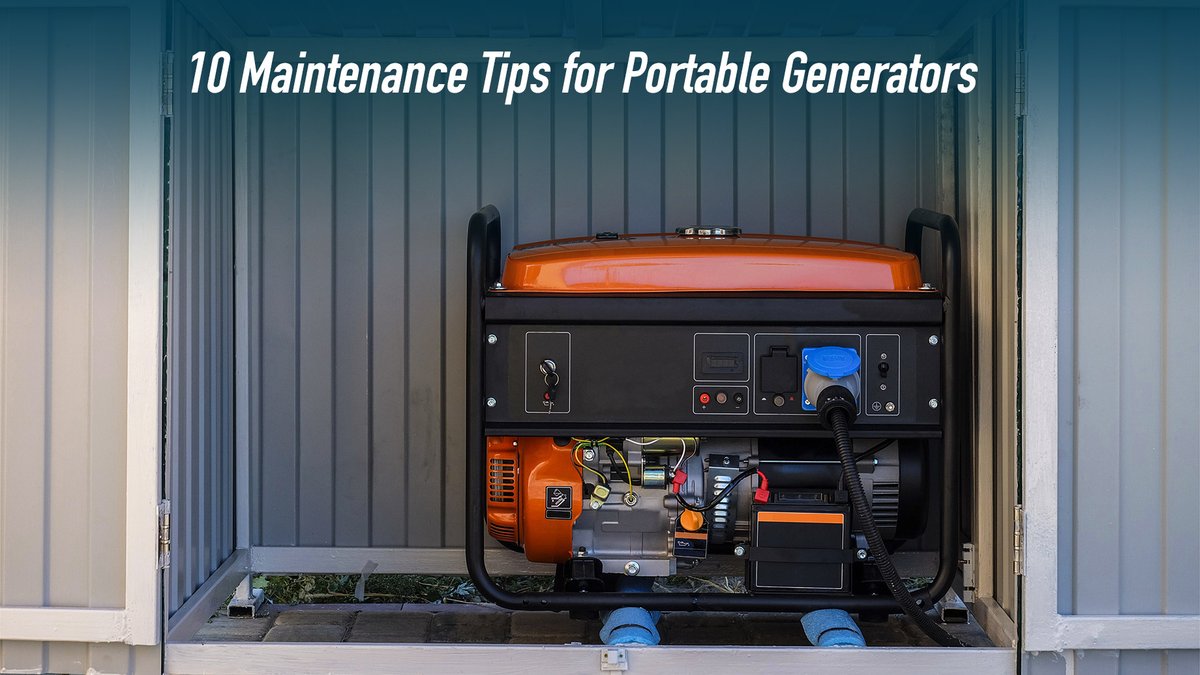
When the lights go out, a portable generator can feel like a lifeline, bringing comfort and crucial power back to your home or worksite. But like any vital piece of equipment, its reliability and effective lifespan aren't just a matter of luck; they hinge squarely on the maintenance and longevity of portable generators. Neglect this, and you might find yourself powerless exactly when you need power most.
This isn't just about avoiding a temporary inconvenience; it's about safeguarding an investment and ensuring preparedness. A well-maintained generator isn't just more reliable; it's more efficient, safer, and ultimately, a better value over the years.
At a Glance: Key Takeaways for Generator Longevity
- Lifespan Varies Wildly: Portable generators typically last 2 to 5 years, far less than standby units (15-25 years). Your maintenance makes a huge difference.
- Fuel is Fickle: Gasoline degrades quickly, making fresh, stabilized fuel critical. Stale fuel is a top killer of portable generators.
- Run It Regularly: Monthly exercise (20-30 minutes with 25-50% load) prevents common issues like wet stacking and keeps parts lubricated.
- Oil & Filters Are Non-Negotiable: Change oil every 50-100 hours (or seasonally). Replace air filters and spark plugs regularly.
- Storage Matters: Keep your generator dry, cool, and covered, away from dust and moisture.
- Don't Overload: Know your generator's capacity and never exceed it to prevent damage and premature wear.
- Listen & Watch: Unusual noises, higher fuel consumption, or fluctuating power are red flags signaling it might be time for a professional check-up or even a replacement.
Understanding Your Generator's Lifespan: Portability vs. Permanence
It's easy to assume all generators are built to last the same amount of time, but that's a common misconception. The typical lifespan of a portable generator—often ranging from 2 to 5 years—is significantly shorter than its standby counterpart, which can power homes for 15-25 years. Why the big difference?
Portable generators are designed for flexibility and mobility. They're often lighter, built with materials chosen for portability rather than extreme longevity, and frequently moved. Features like handles and wheels, while incredibly convenient, introduce more points of potential wear and tear compared to a stationary, permanently installed unit. Think of it like comparing a rugged off-road vehicle to a construction excavator; both are powerful, but their design goals and expected lifespans differ based on their intended use and build quality.
This difference in design philosophy directly impacts operational hours, too:
- Gasoline Generators: These workhorses typically provide 500 to 1,000 hours of use. They require diligent, frequent maintenance like oil changes and carburetor cleaning due to gasoline's propensity to degrade.
- Inverter Generators: Valued for their clean power and fuel efficiency, inverter generators generally offer a lifespan of around 1,000 to 2,000 hours. Their electronic components, while sophisticated, demand careful handling and maintenance.
- Dual-Fuel Generators: When running on gasoline, expect around 1,000 hours of service. Operating on propane might extend this slightly, as propane burns cleaner, reducing engine deposits.
- Diesel Generators: Known for their robust construction and impressive durability, diesel units often last 2,000 to 5,000 hours or even more with proper care. They typically require less frequent maintenance but are particularly sensitive to fuel quality and filter cleanliness.
Understanding these benchmarks helps set realistic expectations and underscores why consistent maintenance isn't just a good idea—it's essential for getting the most out of your investment.
The Silent Killers: Factors That Drastically Shorten Generator Life
Beyond the inherent design differences, several key factors actively work to shorten your portable generator's life. Recognizing these "silent killers" is the first step in combating them and ensuring your unit is ready when you need it for home backup power.
Usage Frequency: Too Much, Too Little, or Just Right?
It might seem counterintuitive, but both extreme overuse and extreme underuse can be detrimental.
- Continuous Operation: Generators that run constantly or are consistently pushed to their maximum capacity will experience higher engine wear and tear, similar to a car engine always redlining.
- Sporadic Use (The "Set It and Forget It" Trap): Many portable generators sit idle for months, even years, between power outages. This inactivity is a prime suspect for mechanical issues. Fuel degrades, seals dry out, and internal components can seize or corrode without regular lubrication and movement. This is a primary reason for generator failure right when you need it most.
Parts Quality: You Often Get What You Pay For
It's a simple truth: higher quality components lead to greater durability and fewer repairs over time. While a budget-friendly generator might save you money upfront, it can cost you more in maintenance, repairs, and ultimately, a shorter lifespan if its parts aren't designed for endurance.
Fuel Type and Quality: The Unsung Hero or Hidden Villain
For most portable generators, fuel is their lifeblood, but it can also be their undoing.
- Gasoline Degradation: Gasoline, especially ethanol-blended varieties, starts to degrade rapidly—often within 30 days. It oxidizes, forms gummy deposits, and attracts moisture, which can lead to clogged carburetors, fuel lines, and injectors. This is arguably the most common cause of portable generator failure.
- Contamination: Dirt, water, or stale fuel can wreak havoc on an engine. Always use fresh, clean fuel from a reputable source.
Generator Size and Fuel Capacity: Bigger Isn't Always Better, But It Can Be More Robust
Larger portable generators often come equipped with more robust engines, sometimes designed for longer run times between refueling. This can translate to a longer lifespan, potentially up to 5,000 hours for very large, high-quality units. Their larger fuel tanks also reduce the frequency of refueling, minimizing the mechanical stress associated with repeated starts and stops.
Conversely, smaller units often operate closer to their maximum capacity, leading to higher engine stress and more frequent refueling cycles, both of which accelerate wear.
Storage Environment: Your Generator's Retreat or Ruin?
Where and how you store your generator profoundly impacts its longevity.
- Moisture & Humidity: These are rust's best friends. Rust can corrode electrical connections, fuel tanks, and engine components.
- Dust & Debris: These can clog air filters, cooling fins, and intricate engine parts, leading to overheating and inefficiency.
- Extreme Temperatures: Intense heat can degrade plastic and rubber components, while extreme cold can make parts brittle and oil less effective, hindering starting and increasing wear.
By understanding these common threats, you're better equipped to implement the preventative measures that follow, significantly extending the life and reliability of your portable generator.
Your Essential Portable Generator Maintenance Checklist: From Spark Plugs to Storage
Proactive maintenance isn't just about fixing problems; it's about preventing them altogether. Think of it as a wellness plan for your generator, ensuring it's robust and ready for anything.
The Golden Rule: Read Your Manual!
Before attempting any maintenance, always consult your generator's specific owner's manual. It contains precise recommendations for oil types, filter part numbers, and maintenance schedules unique to your model. This guide offers general best practices, but your manual is the ultimate authority.
Oil Changes: The Lifeblood of Your Engine
Just like your car, your generator's engine relies on clean, fresh oil for lubrication and cooling.
- Frequency: Change the oil every 50-100 hours of use or at least once a season (e.g., before hurricane season or winter). If you're using your generator extensively during a long outage, consider changing it more frequently, perhaps every 25-50 hours.
- Type: Always use the oil type and viscosity specified in your manual. Using the wrong oil can lead to increased wear.
- How-To:
- Run the generator for a few minutes to warm the oil, making it drain easier.
- Shut off the generator and disconnect the spark plug wire to prevent accidental starting.
- Place a drain pan beneath the drain plug (usually located on the bottom of the crankcase).
- Remove the drain plug and the oil filler cap to allow the oil to drain completely.
- Replace the drain plug securely.
- Refill with the recommended amount and type of new oil. Do not overfill.
- Replace the oil filler cap and reconnect the spark plug wire.
Air Filters & Spark Plugs: Breathing and Ignition Efficiency
These small components play a big role in your generator's performance and fuel efficiency.
- Air Filter: A dirty air filter chokes the engine, reducing power and increasing fuel consumption.
- Frequency: Change or clean the air filter every 200 hours of use or at least once a season (yearly). Inspect it frequently, especially in dusty conditions, and replace it if it's torn, damaged, or heavily soiled.
- How-To: Most air filters are easily accessible in a plastic housing. Remove the cover, take out the filter, clean a foam filter with soap and water (let it dry completely, then lightly oil), or replace a paper filter.
- Spark Plug: A fouled or worn spark plug can cause misfires, rough idling, and difficulty starting.
- Frequency: Clean spark plugs every 100 hours and replace them every 200 hours or at least once a season.
- How-To:
- Disconnect the spark plug wire.
- Use a spark plug wrench to remove the plug.
- Inspect the electrode for wear or carbon buildup.
- Clean it with a wire brush if needed.
- Check the gap with a feeler gauge and adjust if necessary (refer to your manual for the correct gap).
- Install the new or cleaned plug, tightening it snug but not overtightening. Reconnect the wire.
Fuel Management: The Freshness Factor
This is perhaps the most critical aspect of portable generator maintenance, especially for gasoline models. Stale fuel is the number one culprit behind starting issues.
- Use Fresh, High-Quality Fuel: Always use non-ethanol gasoline if available, as ethanol can attract water and damage rubber and plastic components. Buy fuel in small quantities and use it within 30 days.
- Fuel Stabilizer: If you plan to store fuel for more than 30 days, or if your generator will sit unused for an extended period, add a quality fuel stabilizer to the fuel tank and run the generator for a few minutes to circulate the stabilized fuel through the carburetor.
- Drain for Long-Term Storage: For storage longer than 30 days, it's best to completely drain the fuel tank and run the carburetor dry.
- With the generator off and cool, drain the fuel tank into an approved container.
- Once the tank is empty, restart the generator and let it run until it sputters and dies, ensuring all fuel is out of the carburetor.
- Avoid Contaminated Fuel: Never use old, stale, or visually contaminated fuel. It's simply not worth the risk of damaging your engine.
Routine Inspections: Catching Trouble Early
Make a habit of giving your generator a quick once-over before and after each use, and monthly during its exercise run.
- Look for Leaks: Check for fuel, oil, or coolant (if applicable) leaks.
- Check for Rust & Corrosion: Especially on the frame, fuel tank, and electrical connections.
- Remove Debris: Clear away any leaves, dirt, or dust from the cooling fins and air intakes.
- Tighten Loose Bolts: Vibrations can loosen hardware over time.
Load Management: Don't Overwork It
Overloading your generator is a surefire way to shorten its life and potentially damage your appliances.
- Calculate Your Wattage: Before plugging anything in, calculate the total starting (surge) and running watts of all devices you plan to connect.
- Stay Below Capacity: Never exceed your generator's rated running wattage. Aim to operate it at 50-75% of its capacity for optimal efficiency and longevity. This leaves a buffer for surge wattage and prevents the engine from straining.
The Monthly Exercise: Preventing "Wet Stacking"
This is a non-negotiable step for any portable generator that isn't in regular use.
- Purpose: Running the generator monthly for 20-30 minutes with a 25-50% load achieves several vital things:
- Prevents Wet Stacking: This occurs when an engine runs too cool or with too light a load, leading to unburnt fuel and carbon deposits accumulating in the exhaust system and combustion chamber. Running it with a modest load gets the engine hot enough to burn off these deposits.
- Lubricates Seals & Components: Ensures that all moving parts, seals, and gaskets remain lubricated and pliable, preventing them from drying out or seizing.
- Circulates Fuel & Oil: Keeps fluids moving, preventing separation or stagnation.
- Confirms Readiness: You'll know it starts and runs correctly, so there are no surprises during an actual outage.
- How-To: Plug in a few household items like a space heater, some lights, or power tools to apply a reasonable load during this exercise.
Proper Storage: Your Generator's Safe Haven
When not in use, your generator needs a suitable environment.
- Location: Store it in a dry, cool place, like a garage or shed. Avoid direct sunlight, rain, and extreme temperatures.
- Protection: Use a breathable cover to protect it from dust and moisture. Avoid non-breathable covers that can trap condensation.
- Battery Disconnect: If your generator has an electric start and a battery, disconnect the battery terminals before long-term storage to prevent parasitic drain. Consider using a trickle charger to maintain battery health.
Documentation: Your Generator's Health Record
Keep a logbook or a simple spreadsheet to track all maintenance activities. Note down:
- Date of service
- Hours of operation (if your generator has an hour meter)
- Type of service performed (oil change, spark plug replacement, fuel drained, etc.)
- Any issues observed
- This documentation helps you stick to schedules and provides a history for troubleshooting or when considering a replacement.
When to Call in the Pros (and Why It's Worth It)
While many maintenance tasks are DIY-friendly, some situations warrant professional expertise. Don't hesitate to engage a qualified technician for:
- Complex Repairs: If you're dealing with internal engine issues, electrical problems, or carburetor overhauls, a professional has the specialized tools and knowledge to diagnose and fix the problem safely and correctly.
- Load Bank Testing: For generators that provide critical home backup power, occasional load bank testing can assess its true output capacity and identify potential weaknesses under realistic load conditions. This is typically beyond the scope of home maintenance.
- Persistent Issues: If you've followed all maintenance steps and are still experiencing starting problems, inconsistent power, or excessive noise, it's time for an expert diagnosis.
Investing in professional help ensures your generator remains safe and operates at peak performance, often extending its life and preventing costlier damage down the road.
Is It Time for a New One? Signs Your Generator is Waving Goodbye
Even with meticulous maintenance, all machines eventually reach the end of their useful life. Recognizing these warning signs can help you make a timely decision to replace rather than endure endless repairs.
- Frequent Breakdowns or Costly Repairs: If you're constantly troubleshooting, replacing parts, or facing repair bills that approach the cost of a new unit, it's a clear signal.
- A Sudden Rise in Fuel Consumption: An engine that's working harder or inefficiently will guzzle more fuel. This often indicates internal wear, carbon buildup, or a carburetor issue that's not easily fixed. What might seem like a minor inconvenience is a sign of deeper engine problems.
- Louder Sounds Than Usual: While generators are never silent, a sudden increase in noise, new knocking sounds, or excessive vibration can signal loose components, worn bearings, or internal engine damage.
- Fluctuating or Suddenly Dropping Power Output: If your generator struggles to maintain a steady voltage or its output drops unexpectedly, it can damage connected devices and indicates a serious underlying issue with the alternator, engine, or voltage regulator. This is a critical safety and performance concern.
Beyond Repair: The Advantages of Upgrading Your Generator
Replacing an aging, unreliable generator isn't just about avoiding headaches; it often brings significant benefits that can make it a smart financial and practical decision. Modern portable home backup generators offer far more than their predecessors.
- Cost Savings in the Long Run: Newer generators are often more fuel-efficient, reducing your operational costs. Furthermore, avoiding constant repair bills for an old unit can quickly justify the upfront investment in a new one.
- Improved Technology & Features: Modern generators boast advancements like:
- Enhanced Fuel Efficiency: Inverter technology, in particular, allows engines to throttle up and down based on demand, saving fuel.
- Lower Noise Levels: Many newer models are significantly quieter, a huge plus for neighborhood peace.
- Smart Controls & Remote Monitoring: Some units offer apps to start/stop, monitor fuel levels, and track performance from your phone.
- Enhanced Safety Features: Improved circuit breakers, CO shutoff sensors, and better grounding systems are standard on many new models.
- Environmental Impact: Newer generators are designed to meet stricter emission standards, making them more environmentally friendly. In some regions, this might even qualify them for tax credits or rebates.
- Reliability & Peace of Mind: The greatest benefit of a new generator is the renewed confidence that it will perform flawlessly when you need it most.
Taking care of your portable generator isn't just a chore; it's an investment in preparedness and peace of mind. By consistently following these maintenance habits, you can extend its life far beyond typical expectations, ensuring it's a reliable power source for years to come. And when the time finally does come to say goodbye, you'll be well-informed to upgrade to a newer, more efficient model that continues to serve your needs without compromise.